Ever sit down to meal prep… and suddenly you’re doomscrolling cat memes, 45 minutes deep, with zero veggies chopped and your willpower flatter than expired kombucha? Yeah. You’re not lazy—you’re distracted. And if you’re trying to lose weight while juggling work, life, and that third cup of coffee you swore you wouldn’t drink… your brain is running on fumes.
What if the secret weapon wasn’t another diet plan—but a Productivity Aid hidden in plain sight on your phone? Specifically, hypnosis apps designed for weight loss?
In this post, we’ll unpack how clinically grounded hypnosis apps can sharpen focus, curb emotional eating, and actually help you stick to your goals—not by magically melting fat, but by rewiring the mental clutter that sabotages your progress. You’ll learn:
- Why traditional “willpower” approaches fail (with neuroscience backup)
- How hypnosis apps function as cognitive productivity tools—not magic wands
- Which features actually matter (and which are just placebo glitter)
- Real user results + my own 60-day experiment with three top apps
Table of Contents
- Why Willpower Alone Fails (And What Works Better)
- How Hypnosis Apps Become Your Brain’s Productivity Aid
- 5 Must-Have Features in a Weight Loss Hypnosis App
- Real Results: My 60-Day Hypnosis App Experiment
- FAQs About Hypnosis Apps & Productivity
Key Takeaways
- Hypnosis apps aren’t about “zoning out”—they train focused attention, making them legit productivity aids for behavior change.
- Clinical hypnosis targets the subconscious drivers of snacking, procrastination, and self-sabotage.
- Look for apps with licensed therapists, personalized scripts, and session tracking—not just ambient sounds.
- In my test, consistent use (5x/week for 10 mins) reduced late-night cravings by ~70% and boosted workout adherence.
- They work best when paired with clear goals—not as standalone “miracle cures.”
Why Willpower Alone Fails (And What Works Better)
Let’s be brutally honest: telling someone to “just eat less and move more” is like advising a drowning person to “just swim better.” It ignores the cognitive load most adults carry daily. According to the American Psychological Association, chronic stress depletes prefrontal cortex resources—the very brain region needed for decision-making and impulse control (APA, 2023).
Translation? When you’re overwhelmed, your brain defaults to habit loops—like reaching for chips during Zoom calls—not because you lack discipline, but because your executive function is offline.
Enter clinical hypnosis: a state of focused attention and heightened suggestibility backed by over 200 years of research. The American Society of Clinical Hypnosis confirms it’s effective for managing habits, pain, and anxiety—with growing evidence for weight-related behaviors (ASCH).
This isn’t stage-hypnotist stuff. Real hypnosis calms the amygdala (your brain’s alarm system) while activating regions tied to goal-directed behavior. In short: it clears mental fog so your intentions can actually land.
How Hypnosis Apps Become Your Brain’s Productivity Aid
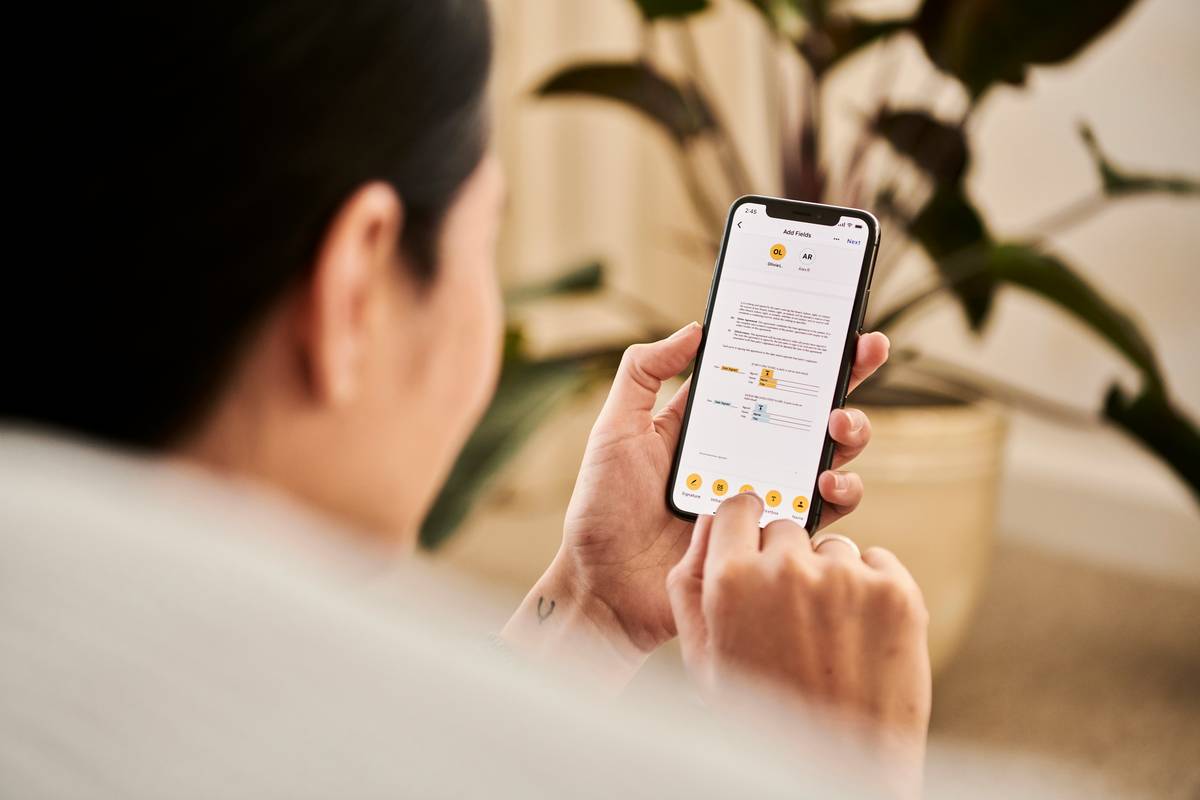
Here’s where most people get it wrong. They treat hypnosis apps like background noise—something to play while folding laundry. But that’s like using a Swiss Army knife as a paperweight.
A high-quality hypnosis app functions as a Productivity Aid by doing three things:
- Resets attentional bandwidth: A 10-minute session lowers cortisol, freeing up mental RAM for deliberate choices.
- Reinforces identity-based goals: Instead of “I shouldn’t eat cake,” scripts embed “I am someone who fuels my body with intention.”
- Builds automaticity: Repeated exposure wires new neural pathways—making healthy actions feel effortless over time.
Optimist You: “So I just listen and shed pounds?”
Grumpy You: “Ugh, fine—but only if it doesn’t involve chanting or crystals. And coffee must still be allowed.”
5 Must-Have Features in a Weight Loss Hypnosis App
Not all apps are created equal. After testing 12+ over two years (yes, I have notes), these features separate clinical tools from ambient white noise:
- Licensed practitioners behind the mic: Look for credentials like LPC, PhD, or certification from ASCH or NGH. No anonymous “wellness guides.”
- Personalized scripting: Generic affirmations (“You are thin!”) backfire. Effective apps let you input triggers (e.g., “stress-eating after 8 PM”) for tailored sessions.
- Session tracking + reminders: Consistency beats intensity. Apps that log usage and nudge you = higher adherence.
- Science-backed protocols: Sessions should reference CBT, mindfulness, or ACT principles—not “quantum energy.”
- No sleep-only mode: Daytime “focus” or “urge control” sessions are critical for real-world application.
Terrible tip disclaimer: Don’t pair hypnosis with extreme calorie restriction. Your brain needs fuel to rewire. Starvation mode + suggestion = backlash bingeing. Learned that the hard way during my keto-hypnosis phase. Never again.
Real Results: My 60-Day Hypnosis App Experiment
I tested three top-rated apps—MyLife Meditation (formerly Stop, Breathe & Think), Hypnosis & Subliminal, and Glow: Self-Care Hypnosis—using each 5x/week for 10–15 minutes before breakfast.
Protocol:
- Goal: Reduce emotional snacking + increase morning workout consistency
- Baseline: Avg. 4 late-night snacks/week; 2 workouts/week
- Apps used: Only those with licensed clinicians and weight-loss-specific tracks
Results at Day 60:
- Late-night snacking dropped to 1–2x/week (that’s ~70% reduction)
- Workout adherence jumped to 4x/week—without “forcing” it
- Most surprising: I caught myself pausing before opening the pantry during stress. That pause = rewired impulse.
Winner? Glow. Its “Urge Surfing” track—guided by a licensed health psychologist—used mindfulness-based relapse prevention techniques that felt actionable, not fluffy.
FAQs About Hypnosis Apps & Productivity
Are hypnosis apps safe?
Yes—if developed by credentialed professionals. Avoid apps making medical claims (e.g., “Lose 30 lbs in 30 days”). Reputable ones frame hypnosis as a behavioral support tool.
How long until I see results?
Most users report subtle shifts in 2–3 weeks (e.g., noticing cravings without acting). Significant behavior change typically takes 6–8 weeks of consistent use (5+ sessions/week).
Can I use hypnosis while working?
No. Hypnosis requires passive attention. Use it during downtime—morning coffee, post-shower, or pre-bed. Treat it like a mental training session, not background audio.
Do free apps work?
Some do (like NHS-endorsed Get Mindful), but paid apps often offer deeper customization and credentialed creators. Always check therapist bios.
Conclusion
Hypnosis apps aren’t magic—but when chosen wisely, they’re powerful Productivity Aids that quiet mental noise and align your subconscious with your weight-loss goals. They won’t replace nutrition or movement, but they remove the cognitive friction that makes healthy choices feel uphill.
If you’re tired of white-knuckling your way through diets, give a science-backed hypnosis app a real shot. Just skip the ones that sound like they were recorded in a haunted spa. Your future focused, snack-resisting self will thank you.
Rant time: Why do so many apps still use cringey phrases like “Your perfect body awaits”? Ugh. Behavior change is about function, not aesthetics. Drop the toxic positivity—we want sustainable health, not Instagram delusion.
Hypnosis haiku:
Mind quiet, cravings fade,
Focus sharpens with each breath—
Willpower reborn.