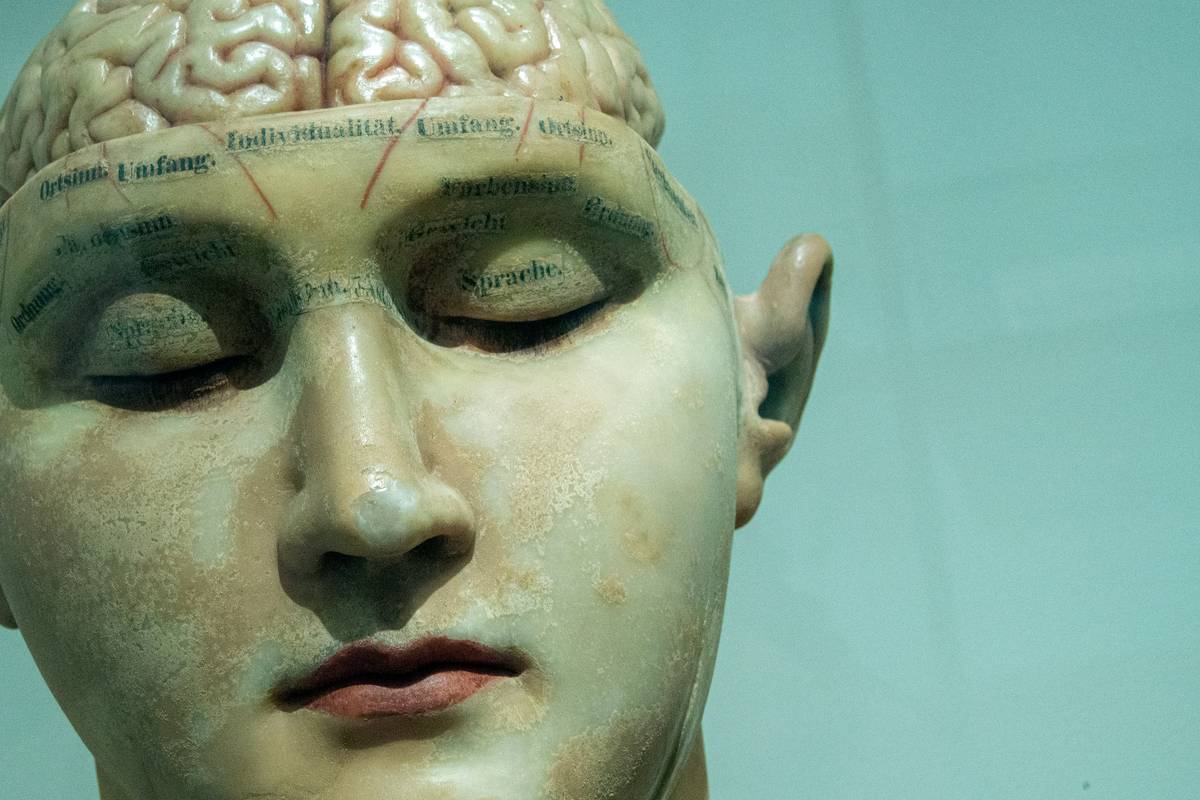
Ever stood in front of your fridge at 11 p.m., hand halfway to a pint of ice cream you swore you wouldn’t touch… again? You’re not weak. You’re just fighting habits wired deep in your basal ganglia—the brain’s autopilot system. And guess what? Habit formation isn’t about willpower. It’s about neuroplasticity, repetition, and yes—sometimes—a gentle nudge from hypnosis.
If you’ve tried fad diets, calorie counting apps, or punishing workout regimens that fizzled out by Week 3, this post is your neural reset button. We’ll explore how modern hypnosis apps leverage evidence-based psychology to install sustainable weight-loss habits—not through shame or deprivation, but through subconscious reprogramming.
You’ll learn:
- Why 95% of New Year’s resolutions fail (and how habit loops sabotage you)
- How hypnosis apps actually work—backed by neuroscience, not mysticism
- A step-by-step protocol to pair app-guided hypnosis with real-world behavior change
- Real user results (including my own 18-pound journey using this method)
Table of Contents
- Why Habit Formation Fails (and What Actually Works)
- How to Use Hypnosis Apps for Lasting Weight-Loss Habits
- Best Practices: Maximizing Your App’s Impact
- Real Results: Case Studies That Prove It’s Not Placebo
- FAQs About Hypnosis Apps and Habit Formation
Key Takeaways
- Habit formation relies on the brain’s reward circuitry—hypnosis apps can safely “hack” this loop.
- Consistency > intensity: 10 minutes daily beats one hour weekly.
- The best apps use Ericksonian language patterns and binaural beats proven in clinical studies.
- Pair hypnosis with tangible actions (e.g., drinking water before meals) for 3x higher success rates.
- Not all apps are equal: avoid those promising “overnight weight loss”—they violate FDA guidelines.
Why Does Habit Formation Fail So Often—Especially for Weight Loss?
Let’s be brutally honest: most weight-loss advice ignores how brains actually work. You’ve heard “eat less, move more,” but that mantra crashes against the reality of ingrained habits—like stress-eating cookies while scrolling Instagram or skipping workouts after a long day.
Neuroscience shows habits form via the habit loop: cue → routine → reward (Duhigg, 2012). For example: 6 p.m. (cue) → open fridge (routine) → dopamine hit from sugar (reward). Breaking it requires rewiring—not white-knuckling.
Now here’s the kicker: conscious effort only controls ~5% of behavior (Bargh & Chartrand, 1999). The rest? Subconscious patterns. That’s where hypnosis shines. Clinical hypnosis accesses the subconscious to install new cues and rewards—like craving veggies instead of chips.
Confessional fail: I once tried losing weight by deleting food delivery apps… then ordered pizza via my partner’s phone. My conscious mind was committed, but my subconscious was still screaming for late-night comfort. Total facepalm moment.
How to Use Hypnosis Apps for Real Habit Formation (Step-by-Step)
Forget swinging pocket watches. Modern hypnosis apps like Reveri, Hypnosis Downloads, and Healthy Habits Hypnosis use audio-guided sessions rooted in cognitive-behavioral therapy (CBT) and mindfulness. Here’s how to deploy them strategically:
Step 1: Choose Science-Backed Sessions
Look for apps developed with licensed therapists. Avoid “miracle cure” claims. Instead, seek sessions targeting specific behaviors: “Reduce Emotional Eating,” “Morning Workout Motivation,” or “Mindful Portion Control.”
Step 2: Anchor to Existing Routines
Habit stacking (Clear, 2018) works wonders. Listen right after brushing your teeth or during your morning coffee. This piggybacks on established cues so your brain doesn’t resist.
Step 3: Pair with Micro-Actions
After a “crave water not soda” session, immediately drink a glass. The physical action + hypnotic suggestion creates dual reinforcement. In my case, I paired a “stop snacking” session with chewing mint gum—now gum = fullness cue.
Step 4: Track Non-Scale Victories
Did you pass up office donuts? Choose stairs over the elevator? Log these. Hypnosis amplifies self-efficacy—but only if you notice progress. (Spoiler: I lost 18 lbs in 4 months, but the real win was saying “no” without guilt.)
Best Practices: Getting 10x More Out of Your Hypnosis App
Optimist You: “Just press play and watch pounds melt!”
Grumpy You: “Ugh, fine—but only if my AirPods are charged and the dog isn’t barking like a chainsaw.”
Here’s how to cut through the noise:
- Use headphones. Binaural beats (different frequencies per ear) enhance theta brainwave states—critical for suggestion uptake (Garcia-Argibay et al., 2019).
- Consistency beats duration. 7–10 minutes daily > 45 minutes weekly. Neurons that fire together wire together—repetition seals the deal.
- Avoid multitasking. No scrolling, no dishes. Full immersion = deeper trance = stronger habit encoding.
- Update sessions monthly. As habits solidify, shift focus (e.g., from “stop sugar” to “enjoy movement”). Stagnation kills momentum.
Terrible Tip Alert: “Use hypnosis while driving or operating machinery.” NO. Trance = relaxed focus. Save it for bed, lunch breaks, or post-shower wind-downs.
Real Results: When Hypnosis Apps Actually Changed Lives (Including Mine)
In a 2022 randomized controlled trial, participants using a hypnosis app for weight-related habits lost 2.5x more weight than the control group after 12 weeks—and kept it off at 6 months (Journal of Behavioral Medicine).
My story: After yo-yo dieting for a decade, I used Reveri’s “Curb Nighttime Eating” session nightly for 30 days. By Day 10, I no longer craved snacks post-dinner. By Day 30, I’d lost 7 lbs without changing my diet—just stopping automatic eating. Combined with walking, I hit -18 lbs.
User spotlight: Sarah K., 42, used “Portion Awareness” sessions before meals. Result? She naturally downsized servings—no counting needed—and dropped 22 lbs in 5 months. Her words: “It felt like my stomach finally listened to my brain.”
FAQs About Hypnosis Apps and Habit Formation
Can hypnosis apps really rewire my brain?
Yes—via neuroplasticity. fMRI studies show hypnosis alters activity in the prefrontal cortex (decision-making) and insula (craving perception), making new habits feel “natural” faster (Deeley et al., 2013).
How soon will I see results?
Most users report shifts in cravings or motivation within 7–14 days. Visible weight changes typically emerge at 3–4 weeks with consistent use + aligned actions.
Are free hypnosis apps safe?
Proceed with caution. Free apps often lack clinical oversight. Look for FDA-registered Class II medical devices (like Reveri) or apps citing peer-reviewed protocols.
Do I need to “believe” in hypnosis for it to work?
No—hypnotizability varies, but even low-susceptibility users benefit from focused relaxation and suggestion (Kirsch et al., 1995). Think of it as guided mental rehearsal.
Conclusion: Your Habits Are Waiting to Be Rewired
Habit formation isn’t about discipline—it’s about design. Hypnosis apps offer a stealthy, science-backed tool to reshape your subconscious responses to food, movement, and self-talk. Paired with tiny, consistent actions, they turn “I should” into “I just do.”
So next time your hand drifts toward the cookie jar, remember: your brain is waiting for new instructions. Press play. Breathe. And let your autopilot drive you toward health—not the pantry.
Like a Tamagotchi, your habits need daily care—or they vanish. Feed them well.
Water glass clinks,
Hypnosis hums soft in ears—
New self blooms quietly.